Call Us Today! (703) 589-3192

Signs Your Restaurant Exhaust Fan Needs Professional Cleaning
Published on October 9, 2026
Unusual noises, poor airflow, and rooftop grease leaks mean your fan is struggling. Learn the warning signs that indicate it is time for professional restaurant exhaust fan cleaning.

Back To Blog
Intro
Your commercial kitchen’s exhaust fan is the unsung hero of your back-of-house operations, working continuously to pull heat, smoke, grease vapors, and stale air out of the building. However, because rooftop exhaust fans are out of sight, they are often out of mind until serious performance issues arise. Over time, vaporized grease cools and solidifies on the fan blades, housing, and motor components, creating operational strain and severe fire risks. Recognizing the warning signs that indicate your fan requires immediate service helps you schedule timely restaurant exhaust fan cleaning, preventing unexpected equipment breakdowns and avoiding costly fire code violations.
Loud Noises, Excessive Vibration, or Rattling
A healthy, well-maintained commercial exhaust fan should run smoothly and quietly in the background. If you begin to hear loud rattling, scraping, squealing, or grinding coming from your rooftop fan assembly, grease buildup is likely the culprit. Heavy, uneven grease deposits on the fan blades throw off the wheel’s balance, leading to severe vibration during operation. Left unaddressed, this off-balance rotation strains the motor, damages fan bearings, stretches belts, and can result in total motor failure in the middle of a busy dinner rush.
Visible Grease Accumulation or Pooling on the Roof
Inspectors and roofers often spot exhaust fan issues before kitchen staff do. When an exhaust system is overdue for cleaning, grease begins to pool inside the fan housing, leak out of the fan base, or overflow from the rooftop grease containment box. Dark, oily staining around your rooftop exhaust vent is a direct warning sign that your fan assembly is overloaded with residue. Beyond posing a severe rooftop fire risk, leaking grease erodes commercial roofing materials, causes expensive structural damage, and results in immediate fire code citations during routine safety audits.
Poor Airflow, Lingering Smoke, and Trapped Heat
When grease layers coat your fan blades and clog the exhaust system, the fan loses its aerodynamic efficiency and suction power. If your kitchen stays excessively hot, smoke or steam hangs near the ceiling, or cooking odors drift into the dining room, your fan is struggling to pull air through restricted ductwork. When airflow drops, the fan motor works significantly harder to compensate, leading to higher energy bills, frequent electrical circuit trips, and a hot, uncomfortable environment for your kitchen staff.
Conclusion
Waiting for your rooftop exhaust fan to break down or catch fire before scheduling service is a risk no restaurant owner can afford. Paying close attention to noise changes, rooftop grease leaks, and kitchen airflow issues ensures you catch system strain early. Routine, certified restaurant exhaust fan cleaning strips away heavy grease deposits down to bare metal, extends your equipment’s lifespan, and keeps your kitchen running safely and efficiently. Protect your roof, your staff, and your bottom line by arranging regular professional fan maintenance today.
Protect your roof, your staff, and your bottom line by arranging regular professional fan maintenance today and discovering why we inspect your exhaust fan motor and belt during every cleaning CLICK HERE.
FAQ
How often should a restaurant exhaust fan be professionally cleaned?
Rooftop exhaust fans should be cleaned at the same interval as your overall duct and hood system—typically quarterly for high-volume kitchens and semi-annually or monthly depending on cooking fuel and volume.
Can grease on the rooftop exhaust fan damage my building’s roof?
Yes. Commercial grease is acidic and rapidly degrades roofing membranes like TPO, EPDM, and asphalt shingles, leading to severe roof leaks and costly structural repairs.
Why does my exhaust fan keep tripping the circuit breaker?
When grease buildup creates friction on the fan blades or overworks the motor bearings, the motor draws excess electrical current to spin, causing the breaker to trip to prevent electrical fires.
Recent Posts
Oct. 16, 2026
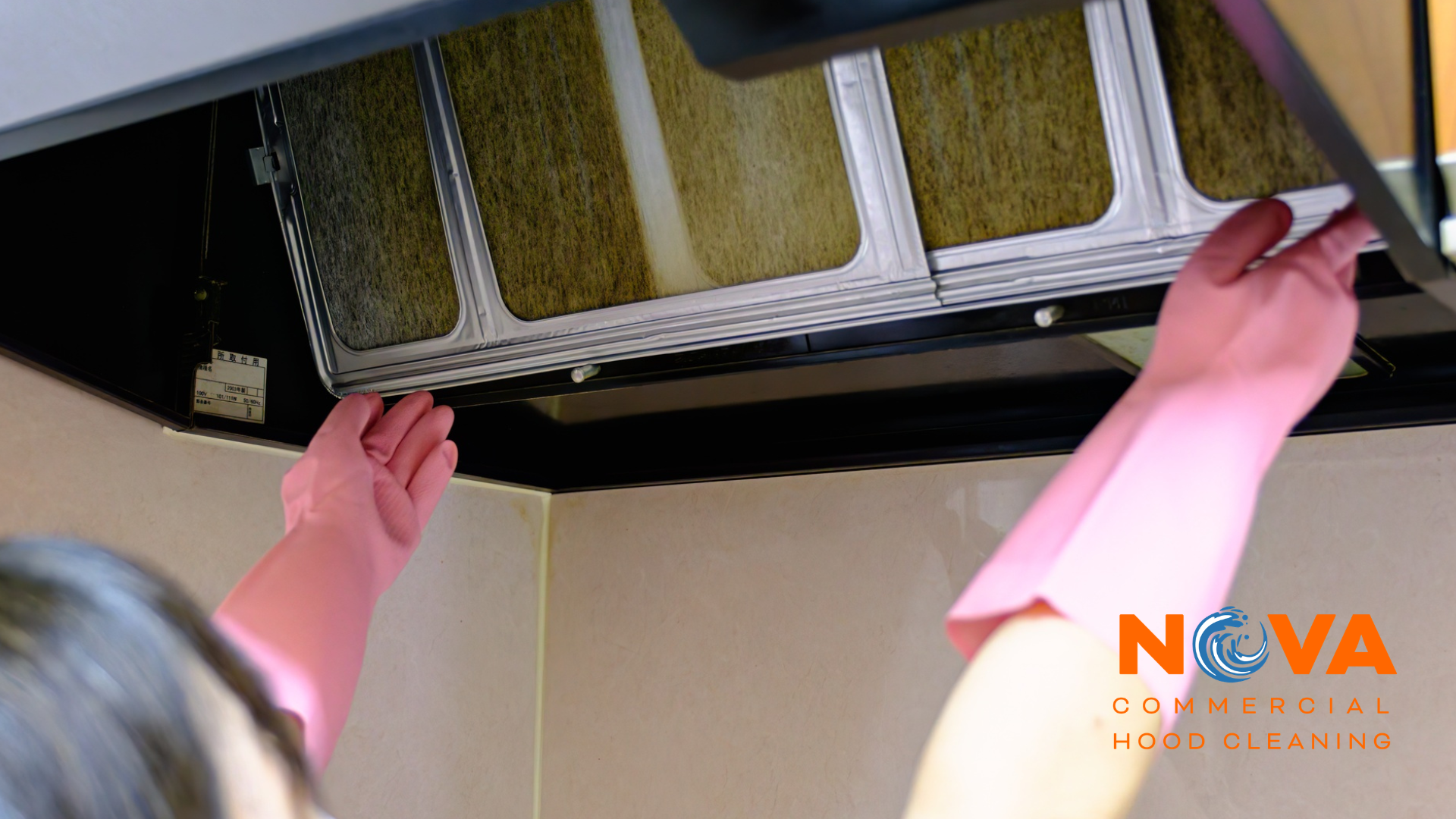
How Dirty Hood Filters Increase Energy Costs in Commercial Kitchens
Oct. 09, 2026
Signs Your Restaurant Exhaust Fan Needs Professional Cleaning
Oct. 02, 2026
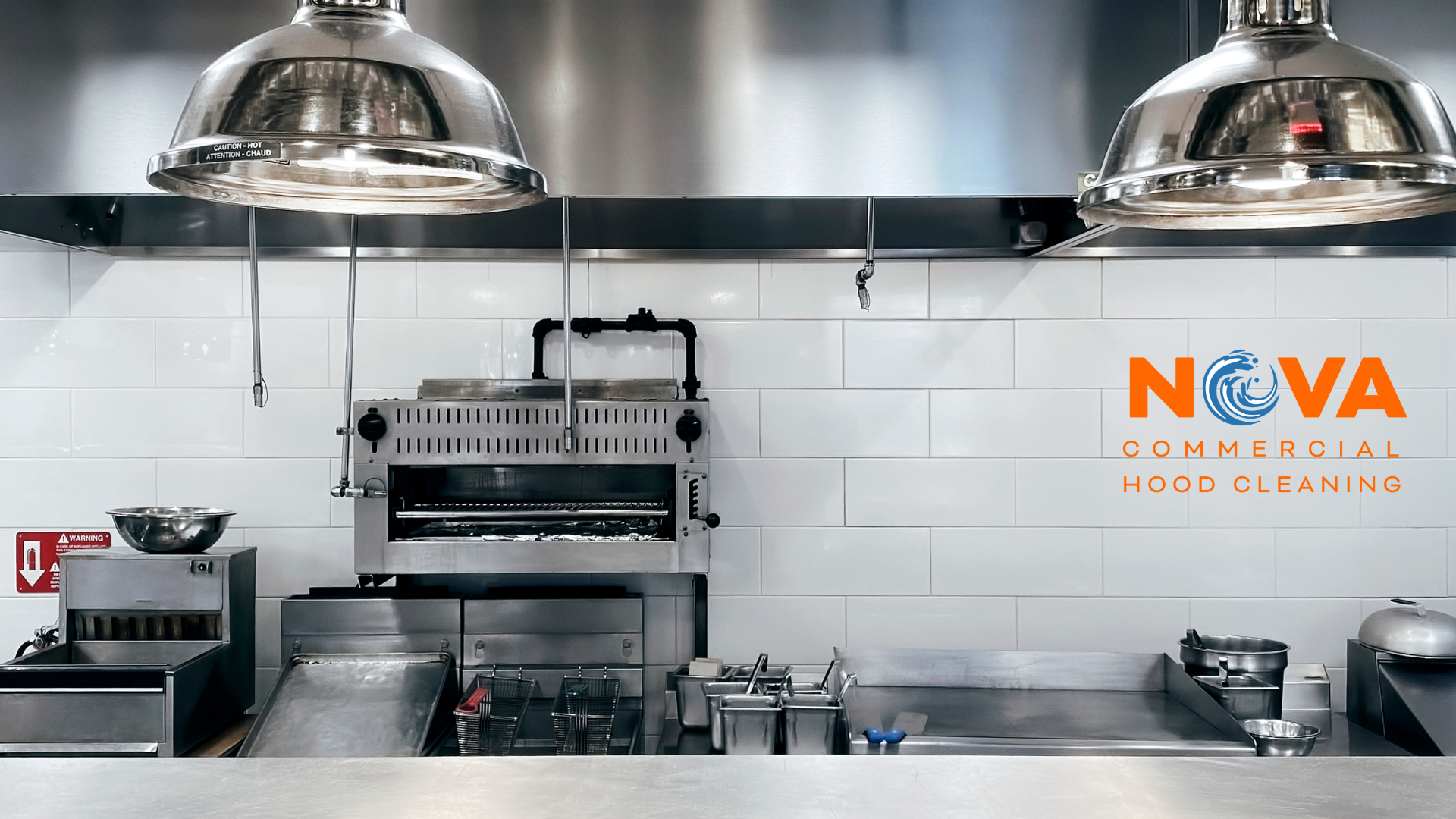
What Fire Inspectors Look for During a Commercial Kitchen Inspection

Sep. 25, 2026
Restaurant Fire Code Violations That Professional Hood Cleaning Helps Prevent

Sep. 18, 2026