Call Us Today! (703) 589-3192

Restaurant Fire Code Violations That Professional Hood Cleaning Helps Prevent
Published on September 25, 2026
Failing a fire inspection can shut down your kitchen in an instant. Discover the most common restaurant fire code violations and how professional exhaust cleaning prevents them.

Back To Blog
Intro
A single fire inspection can be the difference between a profitable weekend service and an abrupt, costly shutdown. For commercial kitchen operators, staying compliant with local fire safety regulations is an ongoing challenge. Among the most frequent issues flagged by authorities, restaurant fire code violations related to exhaust systems top the list. Partnering with a professional hood cleaning service is your best defense against these violations, ensuring your ventilation infrastructure remains safe, operational, and fully compliant with national fire standards.
Excessive Grease Accumulation in Exhaust Ducts
The most common violation cited under NFPA 96 guidelines is the hazardous buildup of grease inside ductwork and exhaust fans. When vaporized grease cools, it coats the interior walls of your ventilation system with a highly combustible residue. During an inspection, fire marshals check beyond the surface hood canopy to examine the hidden areas of your exhaust system. If heavy grease deposits are discovered, your establishment faces immediate citations for failing to mitigate severe fire hazards. Professional hood cleaners strip this flammable residue down to bare metal throughout the entire duct run, eliminating the primary source of these violations.
Missing or Expired Service Certificates and Documentation
Inspectors require tangible proof that your commercial kitchen undergoes routine, certified maintenance at mandatory intervals. A frequent violation occurs when restaurant management fails to produce up-to-date documentation or lacks a valid service sticker attached to the hood plenum. Even if your hood looks clean on the outside, missing proof of professional cleaning according to your kitchen’s required schedule can result in heavy fines. A certified hood cleaning provider addresses this risk by affixing an official, dated compliance tag after every service and delivering a detailed digital report for your permanent safety records.
Improperly Maintained or Clogged Hood Filters
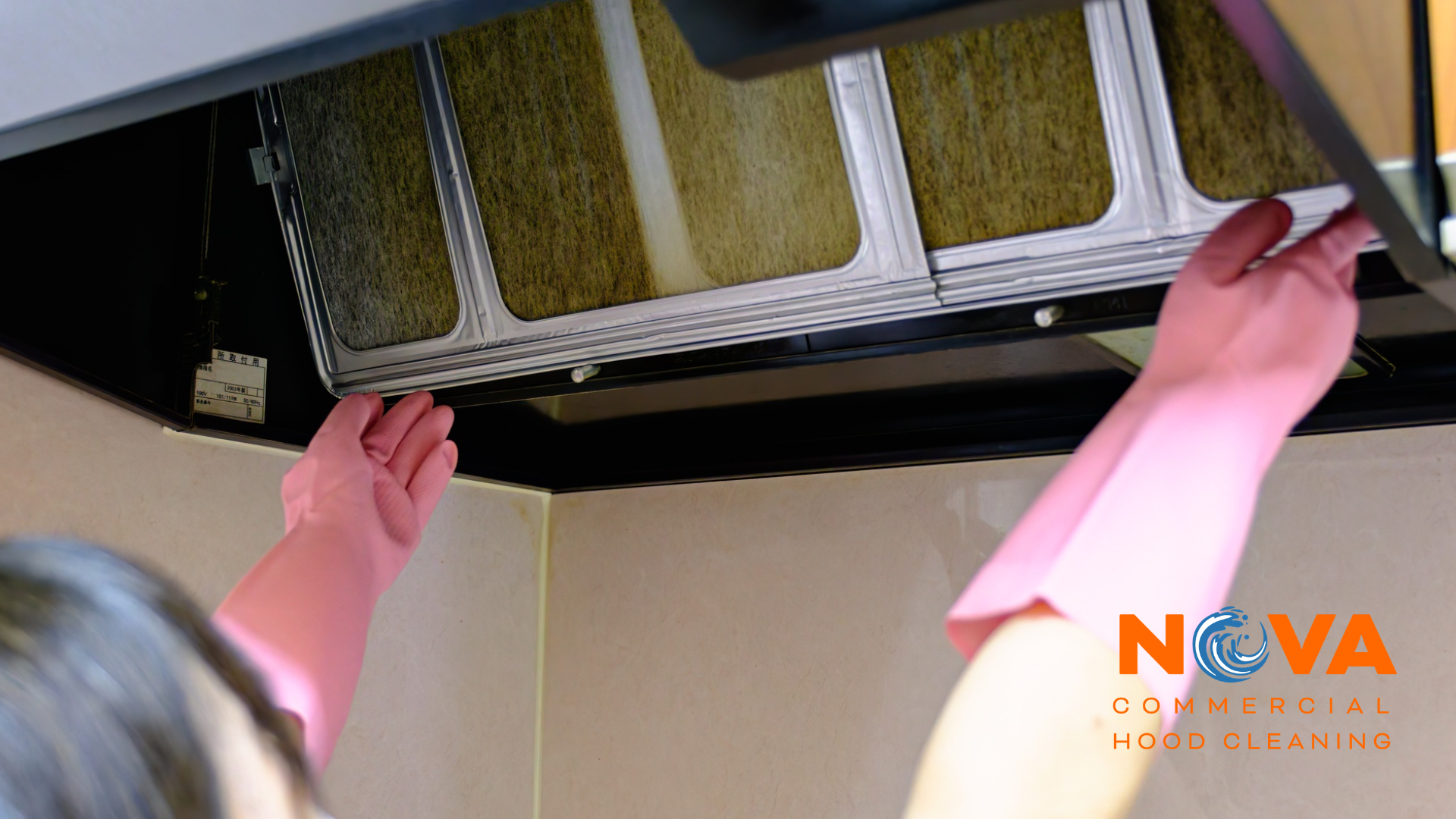
Grease filters serve as the first line of defense against kitchen fires, designed to catch grease vapors before they enter the exhaust system. Fire codes mandate that these filters must be listed, properly installed at an angle of at least 45 degrees, and kept free of excessive residue. Using unapproved mesh filters, leaving filters coated in heavy sludge, or operating with damaged baffle plates are all direct path to restaurant fire code violations. Professional hood cleaning services thoroughly degrease baffle filters and inspect them for structural integrity, replacing damaged components so your system maintains proper fire suppression capabilities and compliant airflow.
Conclusion
Navigating fire safety regulations does not have to be a source of constant anxiety for kitchen managers. By understanding where inspectors look and addressing grease accumulation before it becomes a hazard, you protect both your staff and your bottom line. Routine professional maintenance transforms inspection day from a high-stress gamble into a simple verification of your facility’s safety standards. Investing in expert hood cleaning ensures you avoid costly restaurant fire code violations and keep your doors open for business.
Investing in expert hood cleaning ensures you avoid costly restaurant fire code violations and keep your doors open for business by mastering the essentials of NFPA 96 hood cleaning regulations CLICK HERE.
FAQ
What is the most common fire code violation in commercial kitchens? Excessive grease buildup inside exhaust ducts, hood plenums, and rooftop fans is the most frequent violation cited by fire marshals during routine kitchen inspections.
Can a restaurant be shut down immediately for fire code violations?
Yes, if a fire inspector discovers severe grease accumulation or non-functional fire safety equipment that poses an imminent fire hazard, they have the authority to issue an immediate stop-work order.
How often do inspectors check for commercial hood compliance?
Fire marshals and health department officials typically perform annual or semi-annual inspections, but they can conduct surprise audits at any time, especially following a complaint or reported kitchen incident.
Recent Posts
Oct. 16, 2026
How Dirty Hood Filters Increase Energy Costs in Commercial Kitchens

Oct. 09, 2026
Signs Your Restaurant Exhaust Fan Needs Professional Cleaning
Oct. 02, 2026
What Fire Inspectors Look for During a Commercial Kitchen Inspection
Sep. 25, 2026
Restaurant Fire Code Violations That Professional Hood Cleaning Helps Prevent

Sep. 18, 2026