(703) 589-3192
What is commercial hood vent cleaning?
Back To Blog Page
Commercial hood vent cleaning refers to the process of thoroughly cleaning and maintaining the ventilation system found in commercial kitchens, specifically the exhaust hoods. These hoods are designed to remove heat, smoke, grease, and odors produced during cooking, keeping the air clean and maintaining a safe environment in the kitchen.
Commercial hood vent cleaning involves the following key steps:
- Inspection: A professional technician inspects the entire hood system to assess the level of contamination, identify any issues or damage, and determine the appropriate cleaning methods.
- Disassembly: The hood system components, including the filters, exhaust fans, ductwork, and other parts, are carefully disassembled to ensure thorough cleaning.
- Degreasing and Cleaning: Specialized cleaning solutions and techniques are used to remove grease, oil, and other buildup from all surfaces, including the hood canopy, filters, ductwork, fans, and access panels. This step typically involves scraping, pressure washing, and scrubbing to achieve a deep clean.
- Grease Trap Cleaning: If the hood system includes a grease trap, it is emptied and cleaned to prevent blockages and ensure proper functioning.
- Exhaust Fan Cleaning: The exhaust fan is cleaned and lubricated to enhance its performance and reduce noise levels.
- Reassembly and Inspection: After cleaning, all components are reassembled and properly secured. A final inspection is conducted to ensure that the system is functioning correctly and meeting safety standards.
Regular commercial hood vent cleaning is crucial for several reasons:
- Fire Safety: Grease buildup in hood systems poses a significant fire hazard. Regular cleaning reduces the risk of grease fires and ensures that the fire suppression system, if installed, functions properly.
- Air Quality: A clean hood system effectively removes smoke, steam, and odors from the kitchen, creating a healthier and more comfortable environment for kitchen staff and customers.
- Compliance with Regulations: Commercial kitchens must adhere to local health and safety regulations, which often include requirements for regular hood vent cleaning. Keeping the system clean ensures compliance with these regulations and avoids potential penalties.
Professional hood vent cleaning services are typically performed by experienced technicians who have the knowledge, skills, and equipment necessary to effectively clean and maintain commercial kitchen ventilation systems.
To learn what commercial hood vent cleaning includes, why it matters for fire safety and air quality, and how professional services keep your kitchen compliant—CLICK HERE.
Frequently Asked Questions (FAQ)
What is commercial hood vent cleaning?
Commercial hood vent cleaning is the process of thoroughly cleaning the ventilation system in a commercial kitchen, including the exhaust hood and connected components. The purpose is to remove grease, smoke residue, and contaminants that build up over time and can create safety and performance issues.
What parts of the hood system are cleaned during service?
A professional hood vent cleaning typically includes the hood canopy, filters, ductwork, exhaust fan, access panels, and other connected components. Since grease can accumulate throughout the system, full cleaning helps reduce hidden hazards.
Why is an inspection included before cleaning?
Inspection helps technicians assess contamination levels, identify damage, and determine the safest and most effective cleaning approach. It also allows potential mechanical or airflow issues to be caught early.
Why do hood systems need to be disassembled during cleaning?
Disassembly allows technicians to access areas that cannot be reached through surface cleaning alone. Removing filters, fan components, and other parts helps ensure a more complete and thorough cleaning.
What cleaning methods are used during hood vent cleaning?
Professional hood vent cleaning usually involves degreasing, scraping, pressure washing, and scrubbing. Specialized cleaning solutions are used to break down grease and oil so the entire system can be cleaned effectively.
What is grease trap cleaning and why does it matter?
If the system includes a grease trap, it must be emptied and cleaned to prevent blockages and maintain proper airflow. A clogged grease trap can cause system performance problems and increase safety risks.
Why is exhaust fan cleaning important?
Exhaust fan cleaning helps improve airflow, reduce strain on the system, and support quieter operation. Cleaning and lubricating the fan also helps prevent premature wear and performance issues.
Why is commercial hood vent cleaning important for fire safety?
Grease buildup is highly flammable and can ignite under high heat or sparks. Regular hood vent cleaning reduces grease accumulation and helps lower the risk of grease fires.
How does hood vent cleaning improve air quality?
A clean hood system removes smoke, steam, grease particles, and odors more effectively. This improves the kitchen environment and helps create a healthier and more comfortable space for staff and customers.
Does commercial hood vent cleaning help with compliance?
Yes, many local health and safety regulations require routine hood vent cleaning. Keeping the system properly maintained helps businesses stay compliant and avoid penalties or violations.
Recent Posts
Apr. 24, 2026
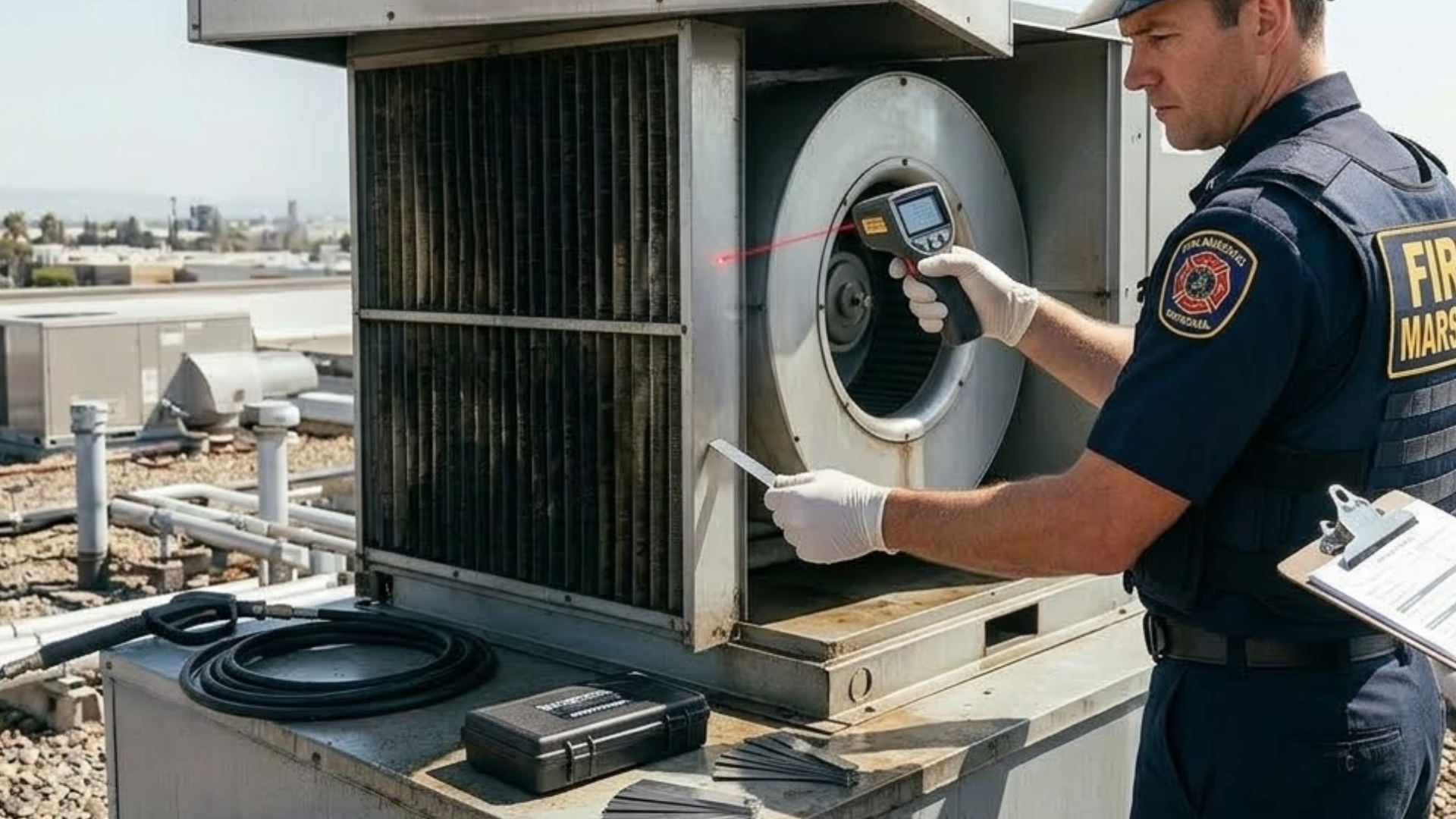
What Fire Marshals Look for During a Kitchen Exhaust Inspection
Apr. 17, 2026
How Often Should Commercial Kitchen Exhaust Systems Be Cleaned? (NFPA Guidelines Explained)
Apr. 10, 2026
Understanding NFPA 96 Hood Cleaning Requirements for Restaurants and Commercial Kitchens

Apr. 03, 2026
Stadium & Event Venue Kitchen Hood Cleaning: Handling Extreme Cooking Volume

Mar. 27, 2026