Call Us Today! (703) 589-3192

Commercial Hood Cleaning for School Cafeterias and Universities
Published on November 6, 2026
Institutional kitchens feed thousands daily. Discover why scheduled school kitchen hood cleaning is critical for keeping educational cafeterias safe, code-compliant, and fire-free.
Back To Blog
Intro
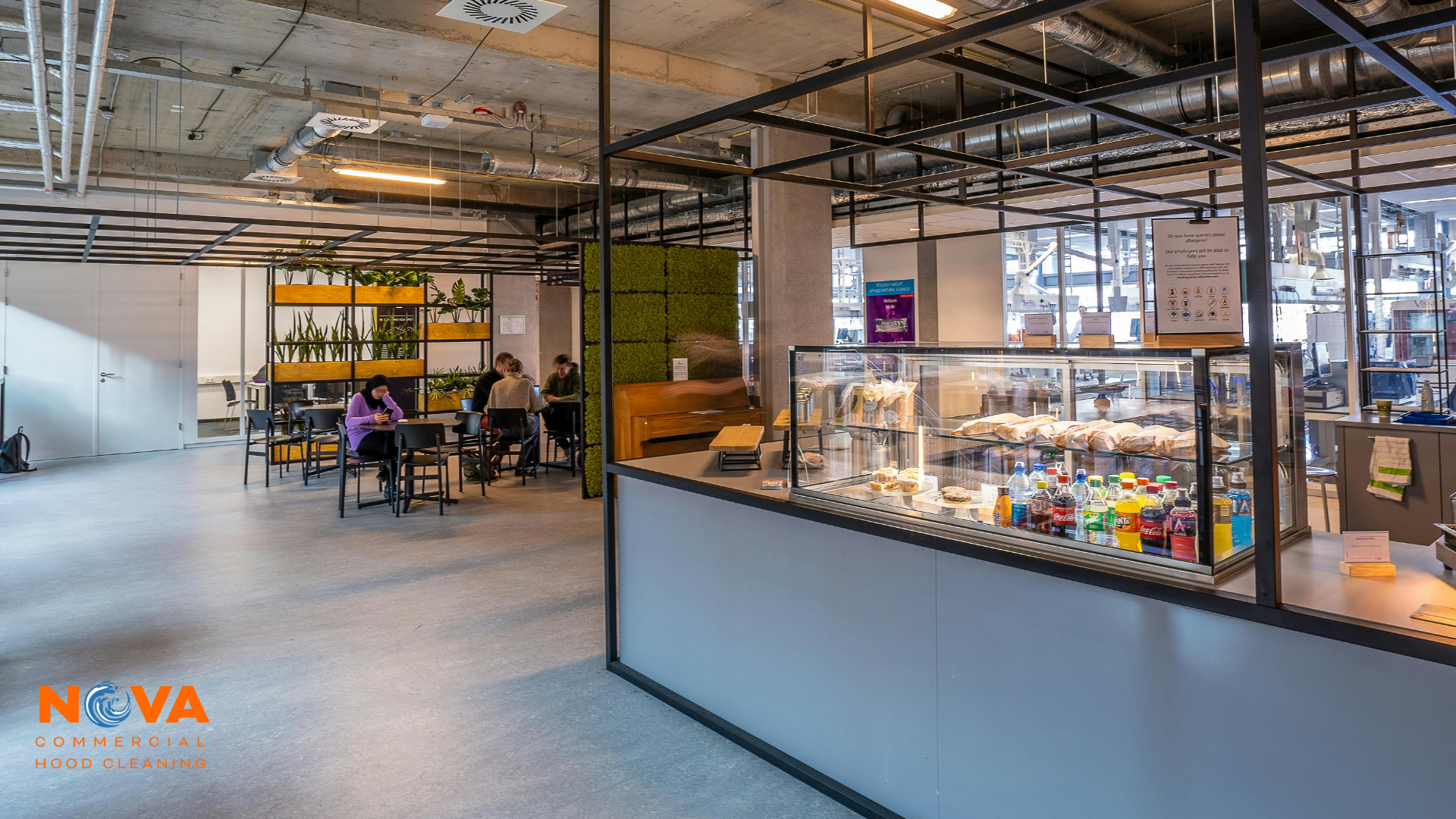
School cafeterias and university dining halls operate on a massive scale, serving hundreds or even thousands of meals daily. Managing these high-volume institutional facilities requires strict adherence to health, safety, and fire prevention standards. Because educational kitchens experience intense cooking surges followed by periods of complete closure, maintenance demands differ significantly from standard commercial restaurants. Establishing a consistent schedule for school kitchen hood cleaning ensures that institutional dining facilities remain fire-safe, code-compliant, and fully operational to nourish students throughout the academic year.
High-Volume Meal Preparation and Heavy Grease Loads
From deep fryers and flat-top grills to massive convection ovens, university and school kitchens utilize heavy-duty equipment capable of generating immense grease vapors and heat. During peak breakfast and lunch rushes, these vaporized fats travel directly into the exhaust system. Over weeks of daily high-capacity cooking, heavy grease residue coats the hood plenum, internal ductwork, and rooftop exhaust fans. Without routine deep cleaning, this buildup creates a severe fire hazard that puts students, staff, and multi-million-dollar educational facilities at risk.
Aligning Exhaust Maintenance with Academic Calendars
Unlike traditional restaurants that operate year-round without interruption, educational institutions must strategically schedule major facility maintenance around academic calendars. Summer breaks, winter recesses, and spring holidays provide the perfect operational window to perform comprehensive school kitchen hood cleaning without disrupting daily meal programs. Scheduling certified exhaust cleaning during these scheduled shutdowns guarantees that kitchens are completely deep-cleaned, inspected, and ready to open before students return to campus.
Meeting District Health Audits and NFPA 96 Compliance
School districts and university administration boards are subject to rigorous safety oversight from local fire marshals, health inspectors, and state auditors. Under NFPA 96 standards, institutional kitchens must maintain documented proof of professional exhaust system servicing at required intervals based on cooking volume. Certified hood cleaning providers issue official compliance stickers and photo-documented reports following every service. This clear audit trail ensures school administrators easily satisfy fire code inspections, pass health department audits, and meet insurance underwriting criteria.
Conclusion
Safeguarding the environment where students eat and gather requires constant vigilance and proactive maintenance. By addressing heavy grease accumulation and timing services around the school calendar, administrators protect their staff, equipment, and campus buildings from fire risks. Partnering with a professional exhaust cleaning service keeps your institutional kitchen running smoothly, efficiently, and fully compliant. Ensure your educational facility is prepared for the upcoming school term by arranging a certified hood cleaning today.
Ensure your educational facility is prepared for the upcoming school term by arranging a certified hood cleaning today and reviewing our specialized approach to campus cafeteria safety CLICK HERE.
FAQ
How often should school cafeterias schedule hood cleaning?
Most K-12 school cafeterias require semi-annual or annual hood cleaning depending on meal volume, while high-volume university dining halls typically require quarterly service to stay NFPA 96 compliant.
Can hood cleaning be scheduled outside of regular school hours?
Yes. Professional hood cleaning companies offer flexible night, weekend, and holiday scheduling to complete thorough exhaust service without interfering with school operations or meal prep.
What documentation is provided to school administrators after service?
Administrators receive an official service tag affixed to the hood plenum, along with a detailed digital invoice and photo report showing before-and-after conditions of the ductwork and fan assembly for compliance records.
Recent Posts
Nov. 06, 2026
Commercial Hood Cleaning for School Cafeterias and Universities

Oct. 30, 2026
How Grease Buildup Affects Restaurant Insurance Claims

Oct. 23, 2026
Restaurant Hood Cleaning for Pizza Ovens and Wood-Fired Kitchens
Oct. 16, 2026
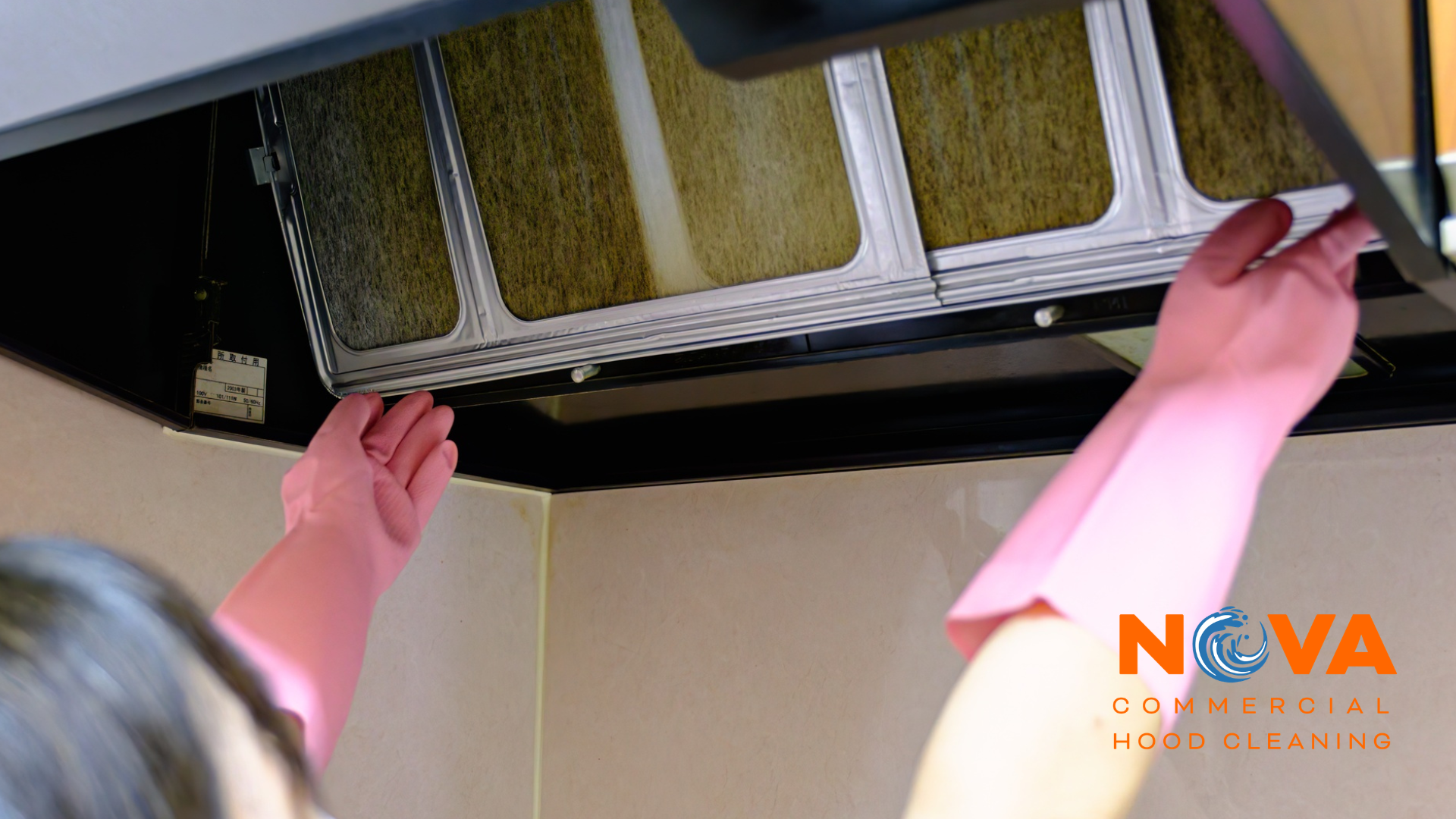
How Dirty Hood Filters Increase Energy Costs in Commercial Kitchens

Oct. 09, 2026