Call Us Today! (703) 589-3192

How Often Should Restaurants in Fairfax County Schedule Hood Cleaning?
Published on September 11, 2026
Not sure if your kitchen is due for a service? Discover the required schedules for hood cleaning in Fairfax, VA based on your restaurant’s cooking volume and local fire code.

Back To Blog
Intro
Running a successful restaurant in Northern Virginia means keeping up with fast-paced shifts and rigorous health and safety regulations. While managing daily operations, one crucial task that should never fall through the cracks is commercial hood maintenance. If you own or manage an establishment in the area, knowing how often to schedule hood cleaning in Fairfax, VA isn’t just about good hygiene—it’s a legal requirement to keep your business open and safe from fire hazards.
Fairfax County Regulations and NFPA 96 Guidelines
In Fairfax County, commercial kitchen compliance aligns strictly with the National Fire Protection Association (NFPA) 96 standards. Local fire marshals expect restaurant owners to follow these clear cleaning schedules based on the volume and type of cooking performed. Neglecting these standards can result in hefty fines, failed inspections, or even immediate closure of your kitchen during an audit.
Determining Your Required Cleaning Schedule
Not all commercial kitchens require the same cleaning frequency. Depending on your menu and volume, your ideal schedule for hood cleaning in Fairfax, VA depends on your operational category. Monthly cleanings are mandated for systems serving solid-fuel cooking operations like wood or charcoal-burning ovens and grills. Quarterly cleanings are required for high-volume operations such as 24-hour diners, fast-food restaurants, and high-turnover burger joints. Semi-annual schedules suit moderate-volume operations, including traditional sit-down family restaurants and hotel kitchens, while low-volume facilities like seasonal kitchens, churches, or community halls typically require service annually.
The Dangers of Delaying Your Hood Service Delaying your routine exhaust service allows vaporized grease to settle and solidify deep inside your ductwork and rooftop fans. In a busy Fairfax kitchen, high heat can easily ignite these hidden grease deposits, sending flames rapidly through the ventilation system. Regular professional maintenance strips this flammable fuel source to bare metal, ensuring your airflow stays optimal and your kitchen remains fire-safe.
Conclusion
Staying code-compliant doesn’t have to be overwhelming when you have a reliable schedule in place. By keeping up with required maintenance for hood cleaning in Fairfax, VA, you protect your staff, satisfy the fire marshal, and ensure your doors stay open to hungry guests. Don’t wait for a warning from the inspector—evaluate your kitchen’s volume today and book your next deep clean on time. Don’t wait for a warning from the inspector—evaluate your kitchen’s volume today and book your next deep clean on time by reviewing our essential Fairfax hood cleaning checklist CLICK HERE.
FAQ
Who enforces commercial hood cleaning rules in Fairfax County?
The Fairfax County Office of the Fire Marshal and local health inspectors enforce NFPA 96 standards during routine and surprise inspections.
What documentation do I need after a hood cleaning service?
Your cleaning provider must place a dated sticker on your hood plenum and provide a detailed service report proving compliance for inspectors and insurance agents.
Can my daily kitchen crew clean the exhaust system themselves?
While staff should wipe down surface filters daily, full exhaust system cleaning—including ductwork and rooftop fans—must be performed by a certified, trained professional.
Recent Posts

Oct. 23, 2026
Restaurant Hood Cleaning for Pizza Ovens and Wood-Fired Kitchens
Oct. 16, 2026
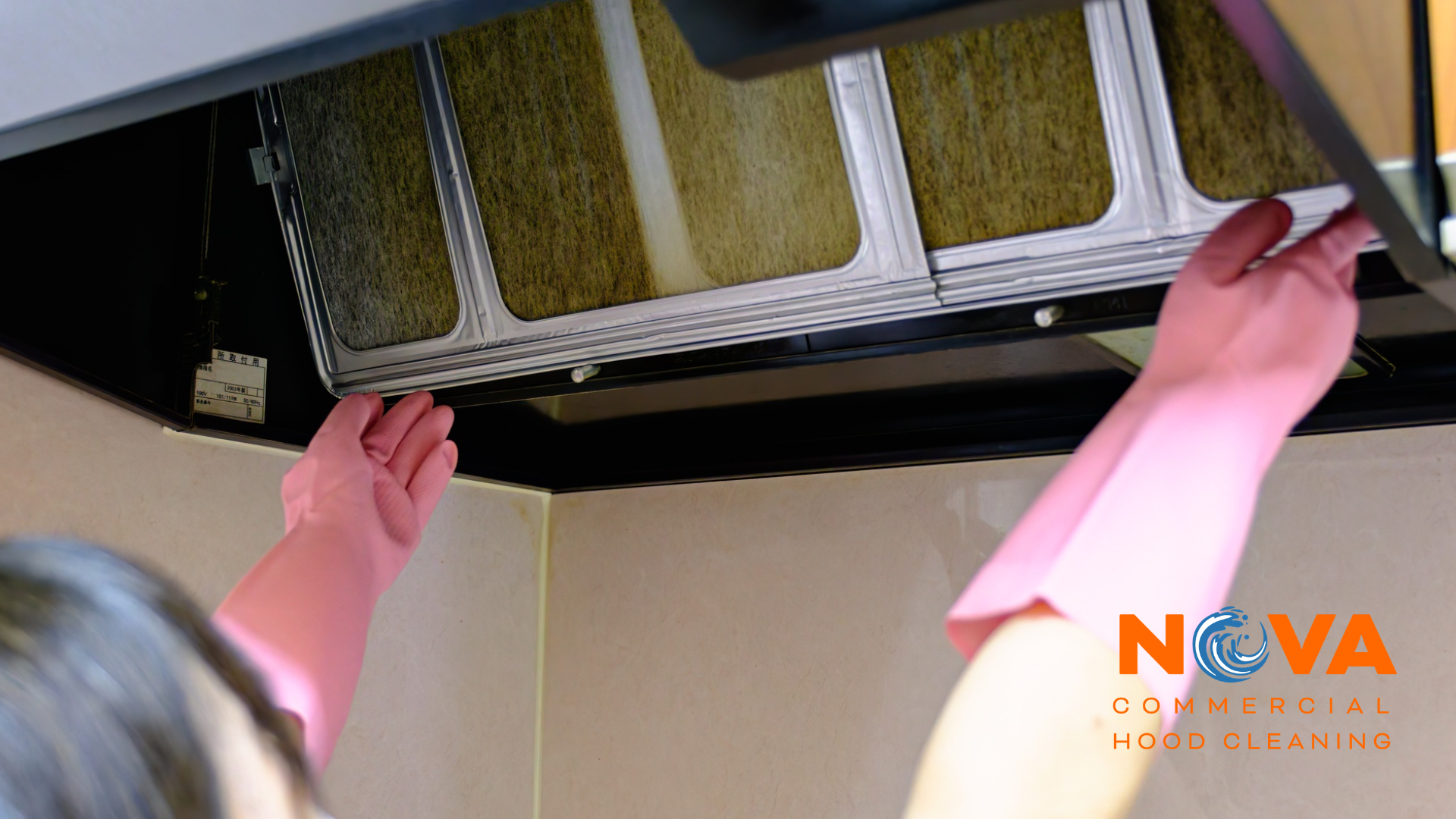
How Dirty Hood Filters Increase Energy Costs in Commercial Kitchens

Oct. 09, 2026
Signs Your Restaurant Exhaust Fan Needs Professional Cleaning
Oct. 02, 2026
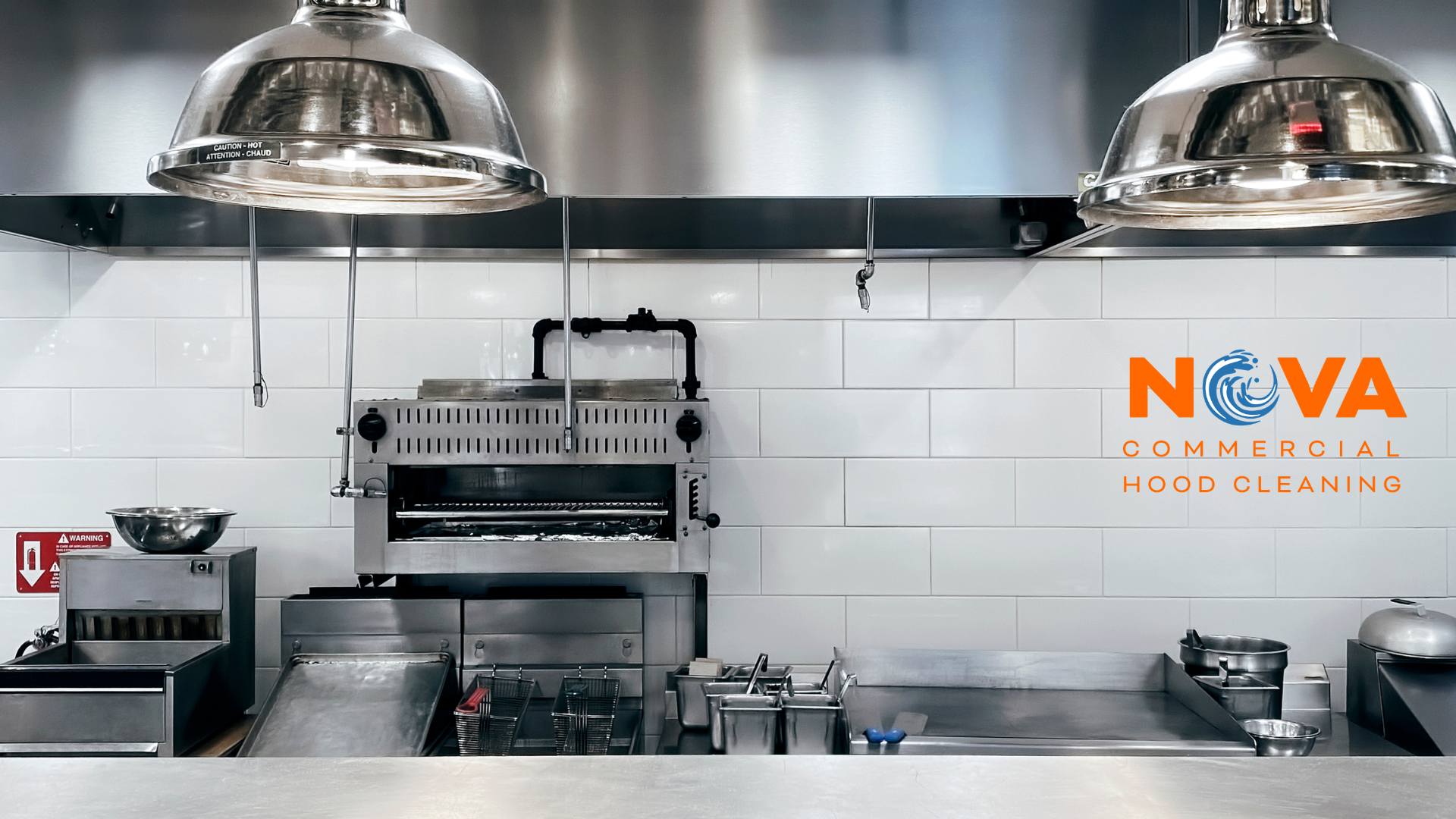
What Fire Inspectors Look for During a Commercial Kitchen Inspection

Sep. 25, 2026