(703) 589-3192
The Fire Safety Benefits of Routine Kitchen Hood Cleaning
Back To Blog Page
Maintaining a clean kitchen is essential for more than just aesthetics; it plays a crucial role in fire prevention. One of the most critical areas in any commercial or residential kitchen is the exhaust hood system. Over time, kitchen hoods accumulate grease and debris, which can create significant fire hazards if not addressed. Routine kitchen hood cleaning is not only a health and safety requirement but also a key factor in reducing fire risks.
This article will explore the importance of regular kitchen hood cleaning, how it prevents grease buildup, and the role it plays in minimizing the potential for fires. Additionally, we will provide instructional steps on how to clean your kitchen hood properly.
Why Kitchen Hood Cleaning Is Critical for Fire Safety
Commercial and residential kitchens produce a lot of heat, smoke, and grease during cooking. The kitchen hood, also known as the exhaust hood, captures airborne grease, fumes, and combustion products. Over time, grease and grime accumulate inside the hood and the exhaust duct, creating an environment ripe for fire.
According to the National Fire Protection Association (NFPA), a significant percentage of restaurant fires originate in the kitchen due to grease buildup in the hood and exhaust systems. Regular cleaning helps prevent such fires by removing flammable substances that can easily ignite under high heat (nfpa.org).
How Grease Buildup Leads to Fires
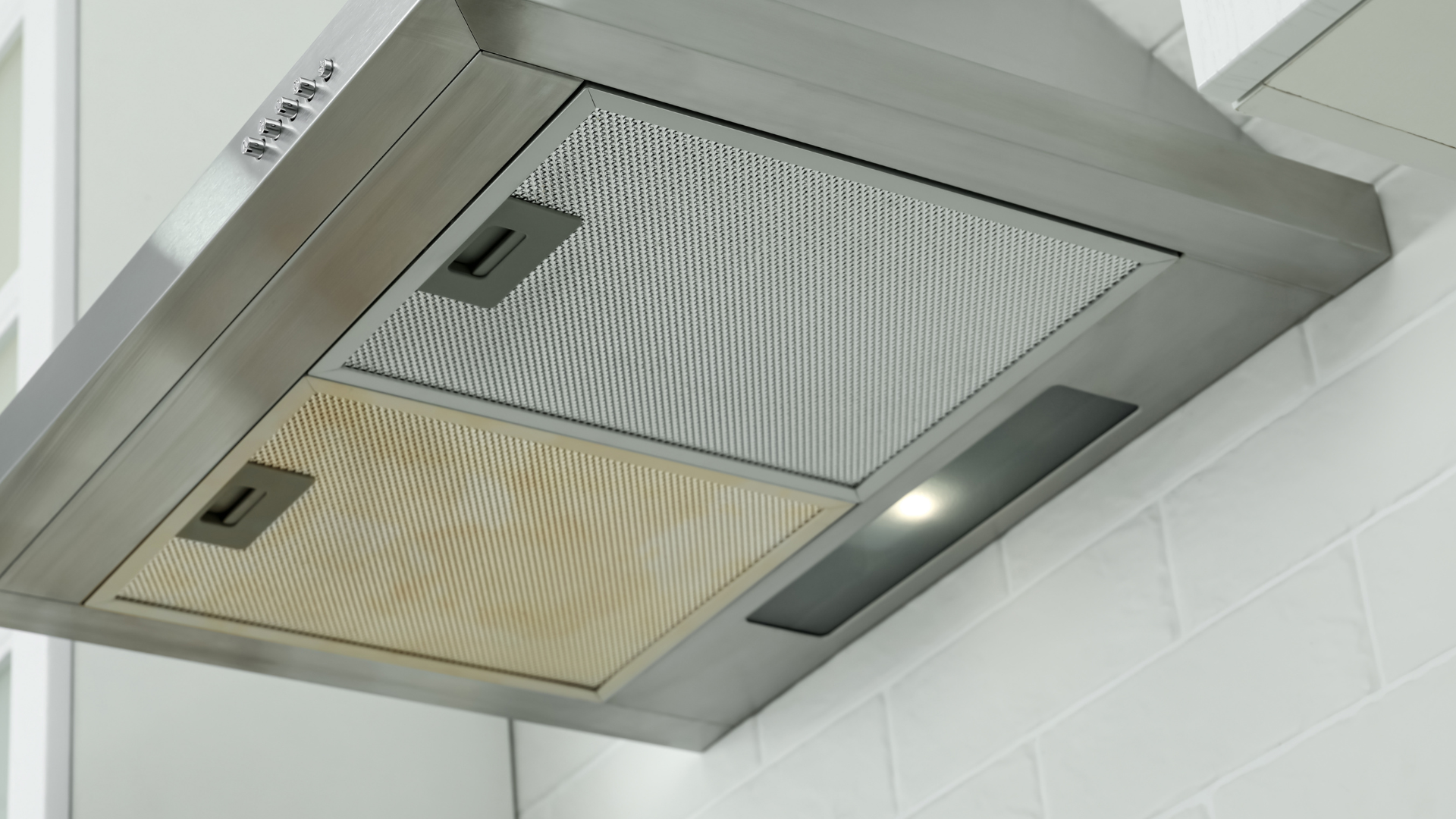
During cooking, grease-laden vapors rise and are captured by the hood’s filtration system. If the hood and filters are not cleaned regularly, grease accumulates in layers, reducing airflow efficiency and increasing fire risks. When flames or high heat from stovetops reach the grease-saturated hood, ignition can occur, leading to a fast-spreading fire.
Grease fires are particularly dangerous because they burn at extremely high temperatures and are difficult to extinguish. Without proper cleaning, a small flare-up from a pan can escalate into a major fire that spreads through the entire exhaust system.
The Benefits of Routine Hood Cleaning
- Fire Hazard Reduction Regular kitchen hood cleaning reduces the amount of flammable grease in the exhaust system, minimizing the likelihood of a fire starting or spreading.
- Improved Air Quality A clean hood system ensures that smoke, odors, and airborne grease are effectively removed from the kitchen, leading to better air quality and a safer working environment.
- Compliance with Health and Safety Regulations Many local and national regulations require regular hood cleaning in commercial kitchens. Failure to comply can result in fines, penalties, or even closure of the business. Following NFPA 96 guidelines ensures that your kitchen remains compliant (nfpa.org).
- Enhanced Equipment Longevity Grease buildup can strain the exhaust fan and other components of the hood system. Routine cleaning prevents this buildup, extending the life of your equipment and reducing maintenance costs.
- Lower Insurance Premiums Some insurance providers offer lower premiums to businesses that adhere to strict fire prevention practices, including routine hood cleaning. Providing proof of regular maintenance can lead to cost savings.
How Often Should Kitchen Hoods Be Cleaned?
The frequency of kitchen hood cleaning depends on the type of kitchen and how often it is used. Here are general guidelines:
- High-volume commercial kitchens (e.g., fast-food restaurants) should clean their hoods monthly.
- Moderate-volume kitchens (e.g., casual dining) should clean their hoods quarterly.
- Low-volume kitchens (e.g., seasonal kitchens or churches) should clean their hoods semi-annually.
- Residential kitchens may only need hood cleaning once or twice a year, depending on usage.
Always refer to local regulations and NFPA 96 standards to determine the appropriate cleaning schedule for your kitchen.
Instructional Guide to Cleaning a Kitchen Hood
Step 1: Gather Necessary Supplies
Before starting, ensure you have the following supplies:
- Degreaser or commercial kitchen hood cleaning solution
- Protective gloves and goggles
- Scrub brushes of varying sizes
- Soft cloths or sponges
- A bucket of warm water
- Plastic sheeting to protect nearby surfaces
- Ladder (if necessary)
Step 2: Turn Off Power to the Hood System
Safety is paramount when cleaning kitchen equipment. Turn off the power to the hood and exhaust fan to prevent accidental activation during cleaning.
Step 3: Remove and Clean the Filters
Most kitchen hood filters are removable. Take them out and soak them in a solution of degreaser and warm water. Allow them to sit for 15-20 minutes, then scrub away any remaining grease with a brush. Rinse thoroughly and let them dry.
Step 4: Clean the Hood Interior
Apply the degreaser to the interior surfaces of the hood. Use a scrub brush to remove grease buildup, focusing on corners and seams where grease tends to accumulate. Wipe down the surfaces with a damp cloth to remove residue.
Step 5: Clean the Exhaust Duct (Professional Service Recommended)
While it is possible to clean parts of the exhaust duct yourself, professional services are recommended for thorough cleaning. Professionals use specialized tools and techniques to clean the entire length of the duct, ensuring all grease and debris are removed.
Step 6: Clean the Exterior of the Hood
Don’t forget the exterior surfaces of the hood. Use a mild cleaning solution to remove grease and stains, ensuring a polished finish.
Step 7: Reassemble the Hood and Turn On Power
Once everything is clean and dry, reassemble the hood and filters. Turn the power back on and test the exhaust system to ensure it is functioning properly.
Hiring Professional Hood Cleaning Services
For commercial kitchens, hiring a professional hood cleaning service is often the best option. Professionals have the experience, tools, and certifications necessary to perform a thorough cleaning and ensure compliance with safety standards.
When selecting a service, look for companies that:
- Are certified by the International Kitchen Exhaust Cleaning Association (IKECA)
- Provide detailed reports and certificates of cleaning
- Use environmentally friendly cleaning products
- Offer maintenance contracts for regular cleaning
Professional services can save time and ensure that your kitchen remains safe and compliant.
Additional Fire Safety Tips for Kitchens
- Install Automatic Fire Suppression Systems Many commercial kitchens are required to have automatic fire suppression systems installed in their hoods. These systems activate when they detect high heat or flames, helping to extinguish fires before they spread.
- Keep Fire Extinguishers Nearby Ensure that Class K fire extinguishers, which are designed for grease fires, are readily accessible in your kitchen.
- Train Staff on Fire Safety Procedures Regular fire safety training ensures that kitchen staff know how to respond quickly and effectively in case of a fire. Training should include proper use of fire extinguishers and emergency evacuation procedures.
- Inspect and Maintain Cooking Equipment Regular maintenance of cooking equipment reduces the risk of malfunction and fire. Pay close attention to gas connections, electrical wiring, and pilot lights.
Conclusion
Routine kitchen hood cleaning is a vital component of fire safety in both commercial and residential kitchens. By preventing grease buildup, you significantly reduce the risk of fires and ensure a healthier and safer cooking environment. Whether you choose to clean your hood yourself or hire a professional service, staying consistent with cleaning schedules is key.
In addition to regular cleaning, implementing fire safety measures such as installing fire suppression systems, maintaining fire extinguishers, and training staff can further reduce fire risks. Remember, a clean kitchen is a safe kitchen, and taking proactive steps today can prevent devastating fires in the future.
For more information on fire safety regulations and best practices, visit the National Fire Protection Association’s website (nfpa.org).
Maintaining fire safety starts with consistent hood cleaning and a ventilation system that stays grease-free and code-compliant.
To learn more about professional hood cleaning services that help protect your kitchen from grease fires — CLICK HERE
Frequently Asked Questions (FAQ)
Why is kitchen hood cleaning important for fire prevention?
Kitchen hoods collect grease, smoke, and airborne particles during cooking. Over time, grease buildup becomes highly flammable, increasing the risk of a fast-spreading kitchen fire if it ignites.
How does grease buildup lead to hood fires?
Grease-laden vapors rise during cooking and stick to hood surfaces, filters, and ductwork. If flames or high heat reach these greasy areas, ignition can occur and spread quickly through the exhaust system.
How often should commercial kitchen hoods be cleaned?
Cleaning frequency depends on cooking volume and grease production. High-volume kitchens may need monthly cleanings, moderate kitchens often need quarterly service, and lower-volume operations may require semi-annual cleanings.
Can restaurant staff clean the hood system themselves?
Staff can clean visible hood surfaces and filters, but professional cleaning is needed to reach the ductwork, fan, and hidden areas where grease accumulates most dangerously.
Does hood cleaning help with code compliance?
Yes. Regular hood cleaning supports compliance with local fire codes, health department requirements, and NFPA 96 standards, helping businesses avoid fines and failed inspections.
What are the benefits of hiring a professional hood cleaning company?
Professional cleaners provide deep cleaning, proper documentation, and compliance support. They also reduce fire risk, improve ventilation performance, and help extend the life of exhaust system equipment.
Does hood cleaning affect insurance coverage?
Yes. Many insurance policies require proof of routine hood cleaning. If a fire occurs and there is no documentation, insurance coverage could be reduced or denied.
Recent Posts

Feb. 27, 2026
The 24-Hour Kitchen Strategy: Coordinating Hood Maintenance Without Stopping the Line

Feb. 20, 2026
How to Read a Hood Cleaning Quote: Red Flags that Signal “Incomplete” Service

Feb. 13, 2026
Fan Belt Fatigue: Why We Inspect Your Exhaust Fan Motor During Every Hood Cleaning
Feb. 06, 2026
The Baffle Filter Debate: Should You Use a Filter Exchange Service or Clean Your Own?

Jan. 30, 2026