Call Us Today! (703) 589-3192

The Power of Washing: Achieving Hygiene Inside and Out
Published on September 13, 2024
Achieve the highest standards of hygiene in your commercial kitchen by focusing on both visible surfaces and hidden systems. Learn how regular washing of equipment, surfaces, and ventilation systems enhances kitchen safety, compliance, and efficiency.
Back To Blog
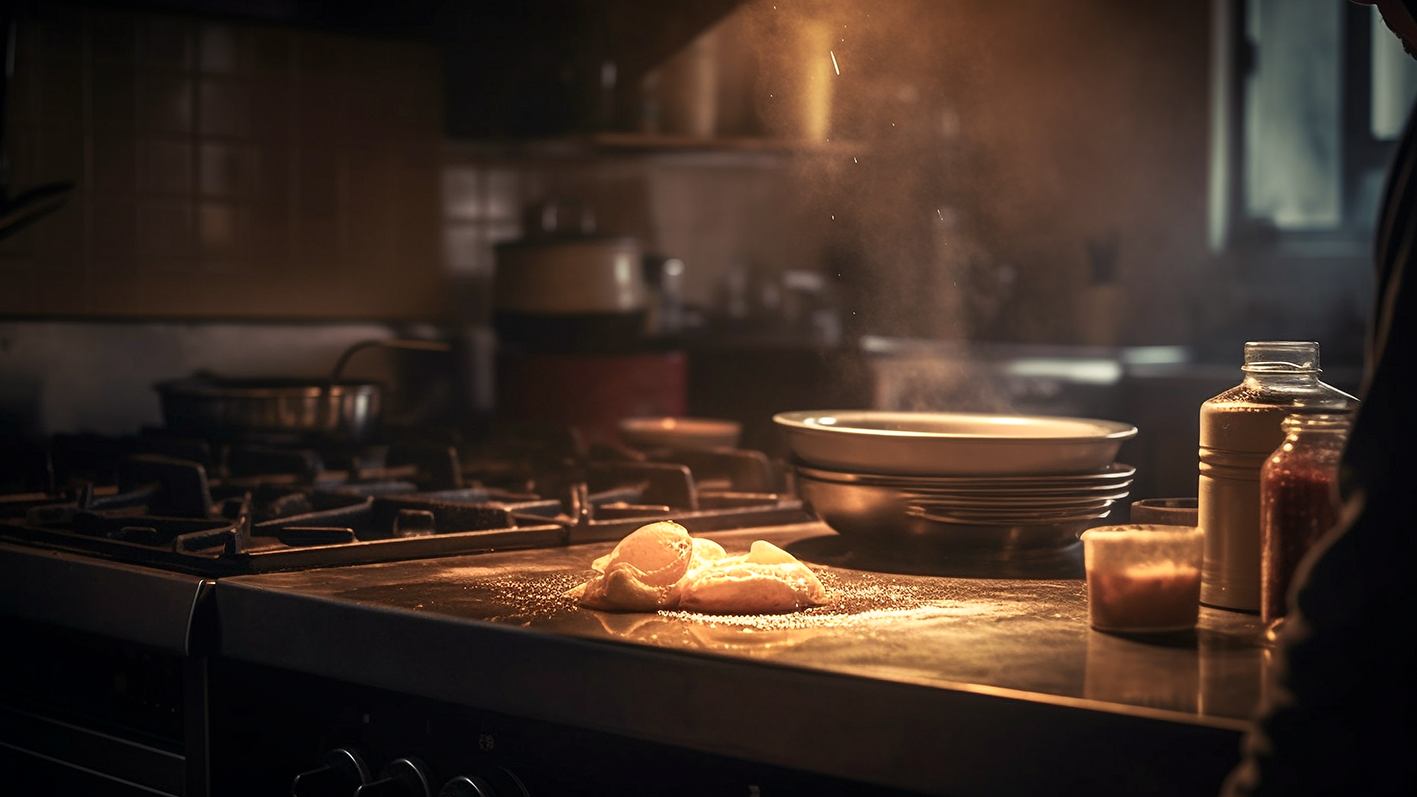
Maintaining a clean and hygienic commercial kitchen goes beyond just wiping down countertops and scrubbing pots and pans. To ensure the safety and efficiency of your kitchen, it’s essential to focus on both the visible and hidden aspects of cleanliness. Washing not only the surfaces and equipment in your kitchen but also the vital ventilation and hood systems is key to creating a healthier environment inside and out. By committing to regular washing and cleaning practices, your kitchen can run more smoothly, stay compliant with health regulations, and safeguard the well-being of employees and customers.
The Importance of Surface Cleaning
Clean kitchen surfaces are the foundation of good hygiene. Bacteria, food particles, and grease can quickly accumulate on countertops, stovetops, and cooking equipment, creating a breeding ground for harmful germs. Routine surface cleaning with the proper tools and disinfectants helps prevent cross-contamination, reduces the risk of foodborne illnesses, and ensures that your kitchen is a safe space for food preparation.
However, it’s important to recognize that surface cleaning alone isn’t enough to maintain overall kitchen hygiene. While surfaces may look spotless, there could be unseen dangers lurking in your exhaust and ventilation systems that require just as much attention.
Washing Inside the Ventilation System
One of the most critical, yet overlooked, components of a commercial kitchen is the ventilation and exhaust system. Grease, smoke, and steam all make their way into the air during cooking, and these particles are captured by your hood system. Over time, grease builds up inside the ducts, fans, and filters, posing a significant fire risk if not properly washed and maintained.
Regular professional washing of the hood system removes accumulated grease, preventing blockages that can compromise the efficiency of your ventilation system. This not only improves air quality but also ensures that your kitchen stays compliant with fire and health codes. By addressing the hygiene of your hood system, you’re taking proactive steps to protect your kitchen from potential hazards.
Routine washing also reduces odors that can develop from trapped grease and food particles. By keeping the ventilation system clean, you ensure that your kitchen remains pleasant and odor-free for employees and patrons alike. Clean air and reduced smoke buildup make the work environment more comfortable while improving the overall atmosphere for customers.
The Benefits of a Clean Exterior
In addition to maintaining hygiene within the kitchen, the exterior of your building also plays a crucial role in how customers perceive your business. The cleanliness of the kitchen’s exterior, including windows, doors, and outdoor cooking or seating areas, contributes to the overall reputation of your establishment. Dirty exteriors can signal to customers that hygiene standards might not be met on the inside.
A regular washing schedule for the exterior ensures that your business always looks inviting and professional. Whether it’s power washing the outside walls or keeping your entrance pristine, a clean exterior speaks volumes about your commitment to cleanliness and customer care.
Boosting Kitchen Efficiency Through Cleanliness
When both the interior and exterior of your kitchen are cleaned regularly, your kitchen operates more efficiently. Grease buildup inside your hood system can cause ventilation blockages, leading to increased energy use and equipment strain. Similarly, if your equipment is not thoroughly cleaned, it can break down more quickly, leading to costly repairs or replacements. By staying on top of regular washing and cleaning, you’re extending the lifespan of your equipment, improving energy efficiency, and reducing the need for costly maintenance.
Cleanliness also contributes to the comfort and morale of your kitchen staff. Employees who work in a clean, well-maintained environment are more productive, motivated, and satisfied with their work conditions. By prioritizing cleanliness inside and out, you’re fostering a positive work environment that benefits everyone.
Additionally, regular washing can help prevent long-term damage to both interior and exterior surfaces. Over time, grease and grime can wear down materials, causing discoloration, corrosion, and other forms of damage. Routine cleaning helps preserve the aesthetic and functional qualities of your kitchen, ensuring it remains in top condition for years to come.
To learn why washing both visible kitchen surfaces and hidden hood systems is essential for fire prevention, air quality, and full commercial kitchen compliance—CLICK HERE.
Frequently Asked Questions (FAQ)
Is surface cleaning enough to maintain a safe commercial kitchen?
No, surface cleaning is important for hygiene and food safety, but it does not address grease buildup inside ventilation and hood systems. Hidden grease accumulation can create serious fire risks and airflow problems if not professionally cleaned.
Why is washing the hood and ventilation system so important?
The hood system captures grease, smoke, and airborne particles during cooking. Over time, these materials collect inside ducts and fans, increasing fire risk and reducing ventilation efficiency. Regular professional washing helps remove this buildup and maintain safe operation.
Can dirty ventilation systems affect air quality?
Yes, grease and debris inside the exhaust system can restrict airflow and trap smoke and odors. This can lead to poor air quality, making the kitchen uncomfortable for staff and unpleasant for customers.
Does regular washing help prevent fires?
Yes, grease buildup is highly flammable. Removing grease from hood systems significantly reduces the chance of ignition and supports compliance with fire safety standards.
Why is exterior cleanliness important for restaurants?
A clean exterior influences customer perception. Dirty entrances, walls, or outdoor areas can negatively impact your reputation. Regular exterior washing helps present a professional image and reinforces your commitment to hygiene.
Can cleanliness improve kitchen efficiency?
Yes, when hood systems and equipment are clean, they operate more efficiently. Reduced grease buildup improves airflow, lowers strain on fans and motors, and can help reduce energy consumption.
Does regular cleaning extend equipment lifespan?
Yes, grease and grime can cause corrosion and mechanical strain over time. Routine washing and maintenance help preserve equipment performance and reduce costly repairs or replacements.
How does cleanliness impact employee morale?
Employees are more productive and comfortable in a clean environment. A well-maintained kitchen supports better working conditions, improves morale, and promotes a stronger safety culture.
Recent Posts
Oct. 02, 2026
What Fire Inspectors Look for During a Commercial Kitchen Inspection

Sep. 25, 2026
Restaurant Fire Code Violations That Professional Hood Cleaning Helps Prevent

Sep. 18, 2026
Commercial Hood Cleaning Requirements for Food Trucks in Virginia

Sep. 11, 2026
How Often Should Restaurants in Fairfax County Schedule Hood Cleaning?

Sep. 04, 2026