Call Us Today! (703) 589-3192

The Role of Hood Cleaning in Enhancing Indoor Air Quality
Published on May 9, 2025
Explore how professional hood cleaning enhances indoor air quality, supporting health, comfort, and cleanliness in your commercial kitchen and dining areas.
Back To Blog
Intro
When people think of hood cleaning, fire prevention is often the first benefit that comes to mind. But there’s another critical advantage that often gets overlooked: improved indoor air quality. In a busy commercial kitchen, the air can quickly become filled with smoke, grease particles, steam, and food odors.
A properly maintained hood system plays a vital role in removing these pollutants and creating a safer, healthier space for your team and your guests.
Why Indoor Air Quality Matters in Restaurants
Whether it’s a bustling diner in Manassas or a high-end kitchen in Prince William County, maintaining good air quality is essential to:
- Protect employee health
- Ensure customer comfort
- Preserve food integrity
- Support HVAC system performance
Poor air quality can lead to headaches, fatigue, eye and throat irritation, and long-term respiratory issues—especially for staff working long hours in enclosed kitchens.
How the Hood System Impacts Air Quality
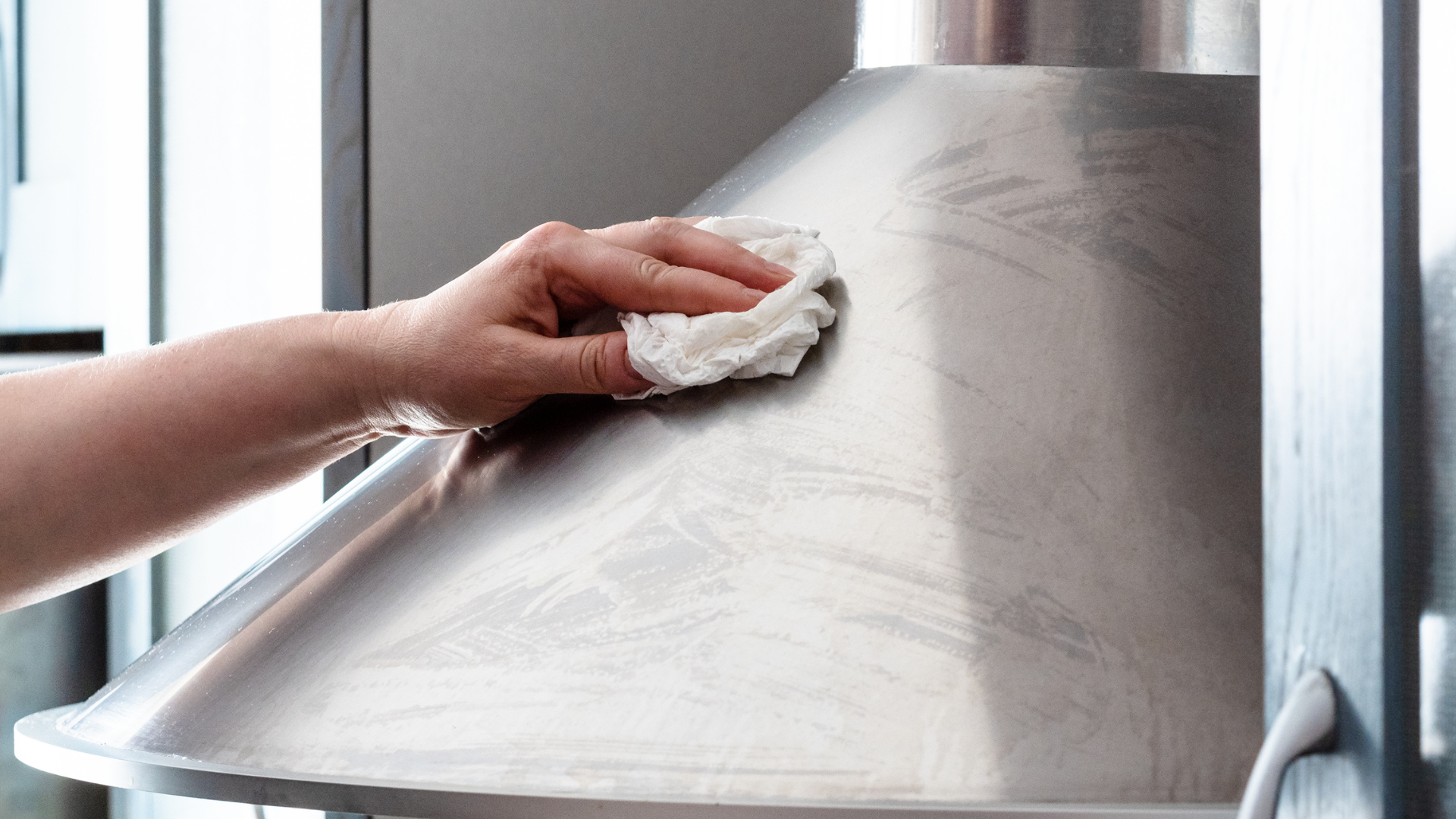
Your commercial hood is designed to capture and remove airborne contaminants produced during cooking. Over time, however, this system becomes clogged with grease and debris, making it less effective.
Without regular cleaning, your hood system can:
- Recirculate smoke and grease-laden air
- Trap heat and odors in the kitchen
- Strain HVAC systems and ventilation equipment
- Allow bacteria and mold to grow in ducts and fans
Routine professional cleaning restores airflow and ensures your system is filtering contaminants as intended.
Benefits for Kitchen Staff
Your employees spend more time in the kitchen than anyone else. Clean air means:
- Fewer respiratory issues and allergic reactions
- Less fatigue from working in hot, humid air
- Safer breathing environment around fryers and grills
- Better morale and productivity in a comfortable workspace
Simply put, cleaner air leads to healthier and happier staff.
Benefits for Patrons and Front-of-House
Your dining area isn’t immune to what happens in the kitchen. Poor hood performance can push unwanted odors, smoke, and even grease particles into customer spaces.
A well-maintained hood system:
- Keeps dining areas fresh and odor-free
- Prevents greasy residue from settling on surfaces
- Enhances the overall dining experience
First impressions matter—and air quality plays a big role in how clean and welcoming your restaurant feels.
Supporting Compliance and Cleanliness
In addition to improving air quality, hood cleaning:
- Helps meet OSHA air quality standards
- Reduces the buildup of allergens and irritants
- Minimizes airborne grease that can settle on walls, ceilings, and fixtures
It also complements your overall sanitation efforts by keeping the air as clean as your surfaces.
Conclusion
While hood cleaning is crucial for fire safety, its impact on indoor air quality is just as important. Clean, well-functioning ventilation creates a more comfortable environment for your staff, a more pleasant experience for your guests, and a healthier space for everyone who steps into your restaurant.
Don’t wait until the air smells off or the kitchen feels suffocating. Schedule a professional hood cleaning today and breathe easier knowing your air is clean and your system is doing its job.
If you want to improve your kitchen’s airflow and keep your restaurant smelling fresh, professional hood cleaning is one of the best steps you can take—CLICK HERE to learn more about NOVA’s services.
Frequently Asked Questions (FAQ)
Can a dirty hood system really affect indoor air quality?
Yes. When grease and debris build up inside the hood, ductwork, and exhaust fan, the system can’t ventilate properly. This can cause smoke, heat, odors, and airborne grease particles to stay trapped in the kitchen and even spread into the dining area.
What are signs my restaurant has poor indoor air quality?
Common signs include lingering smoke, strong food odors that don’t clear out, excessive heat in the kitchen, eye or throat irritation for staff, greasy residue on nearby surfaces, and ventilation systems that seem louder or less effective than usual.
Does hood cleaning help reduce kitchen odors?
Yes. Grease buildup inside the hood system can trap odors and recirculate them back into the kitchen and dining area. Regular professional hood cleaning removes the grease and residue that cause long-lasting smells.
Can poor ventilation impact employee health?
Yes. Staff members who work long hours in smoky or grease-filled air may experience headaches, fatigue, breathing irritation, and long-term respiratory issues. A clean hood system helps reduce exposure to these airborne contaminants.
Does hood cleaning help with OSHA compliance?
It can. While OSHA covers a wide range of workplace safety issues, maintaining proper ventilation and reducing airborne contaminants supports a healthier working environment and helps reduce potential safety risks.
Can hood issues affect the dining room too?
Yes. If the hood system is clogged or underperforming, smoke and odors can drift into customer areas. This can make the restaurant feel less clean, affect guest comfort, and negatively impact reviews.
How often should hood systems be cleaned to support better air quality?
The right schedule depends on your cooking volume and menu. Many kitchens benefit from quarterly cleanings, while high-grease operations may need monthly or bi-monthly service to keep airflow and air quality consistent.
Recent Posts
Oct. 02, 2026
What Fire Inspectors Look for During a Commercial Kitchen Inspection

Sep. 25, 2026
Restaurant Fire Code Violations That Professional Hood Cleaning Helps Prevent

Sep. 18, 2026
Commercial Hood Cleaning Requirements for Food Trucks in Virginia

Sep. 11, 2026
How Often Should Restaurants in Fairfax County Schedule Hood Cleaning?

Sep. 04, 2026