Call Us Today! (703) 589-3192

Decoding the Science of Grease: Why Expert Hood Cleaning Matters
Published on April 8, 2024
The science of grease in commercial kitchens reveals that grease is not merely a byproduct of cooking—it’s a potential hazard that must be managed with expertise and care. By choosing NOVA Commercial Hood Cleaning, you are partnering with professionals who understand the risks and have the skills to mitigate them effectively.
Back To Blog
In the bustling environment of commercial kitchens, maintaining cleanliness is not just about keeping up appearances—it’s a crucial safety practice. One of the most significant challenges in these kitchens is managing grease buildup, which if not properly addressed, can pose serious fire hazards and health risks. At NOVA Commercial Hood Cleaning, we specialize in tackling this greasy challenge, ensuring that your kitchen operates safely and efficiently. This blog explores the science behind grease buildup and the vital importance of professional hood cleaning services.
The Science Behind Grease Buildup
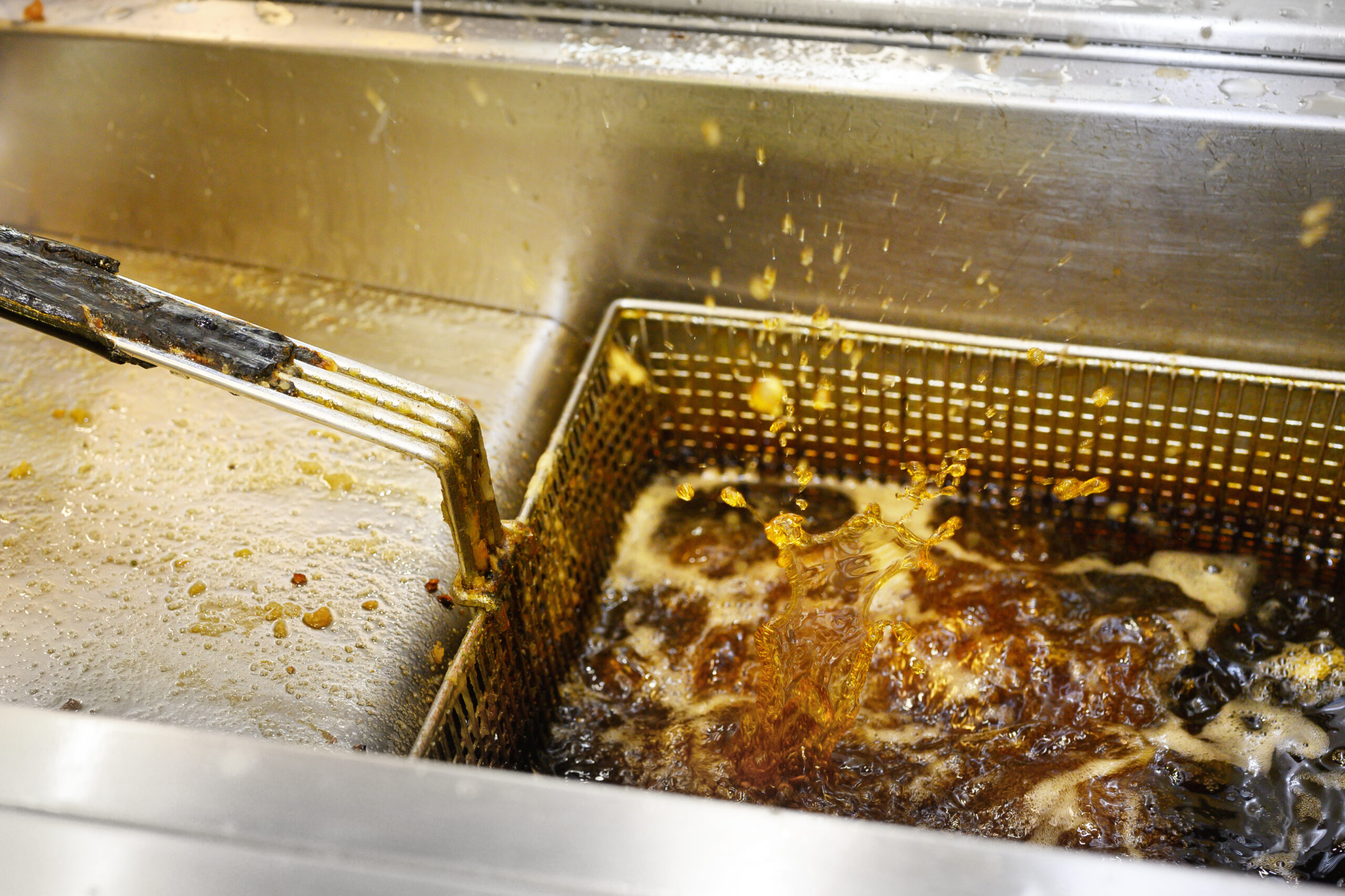
Grease buildup in commercial kitchens occurs as a result of cooking processes that involve oils, fats, and other substances. When these substances are heated, they vaporize and then condense on cooler surfaces, such as kitchen hoods and exhaust systems. Over time, this residue accumulates, forming a thick, sticky layer of grease.
This grease is not just any dirt—it’s a complex mixture of fats, oils, and other organic compounds that are highly flammable. The longer it accumulates, the greater the risk it poses. In fact, according to the National Fire Protection Association (NFPA), the majority of restaurant fires originate in the kitchen, with grease being a leading cause of ignition.
Hazards of Grease Accumulation
Grease buildup is hazardous for several reasons:
- Fire Risk: Grease is extremely flammable. When it builds up, it can easily ignite from a single spark or high enough heat source, leading to dangerous and potentially devastating fires.
- Air Quality and Health Issues: Over time, grease can degrade and emit harmful compounds into the air. These pollutants can compromise air quality in the kitchen, posing health risks to staff and patrons, including respiratory issues and skin irritation.
- Efficiency and Performance: Excessive grease buildup can reduce the efficiency of kitchen exhaust systems. When fans and hoods are clogged with grease, they cannot effectively remove heat and contaminants from the cooking area, making the kitchen hotter and more uncomfortable.
Professional Cleaning Techniques and Equipment
At NOVA Commercial Hood Cleaning, we employ a range of specialized techniques and state-of-the-art equipment to address grease buildup effectively:
- High-Pressure Steam Cleaning: This method uses high temperatures and pressure to emulsify and remove grease, ensuring thorough cleaning of all components of the hood and exhaust system.
- Scraping and Manual Removal: For areas with thick grease deposits, our trained technicians use tools designed to safely scrape and remove hardened grease without damaging the kitchen equipment.
- Chemical Degreasers: We use powerful, yet safe, chemical solutions that break down grease at a molecular level, making it easier to remove and ensuring that even the smallest particles are cleaned away.
- Routine Maintenance and Inspection: Regular inspections and maintenance are key to preventing grease buildup. Our team provides scheduled services that keep your systems clean and functional, reducing the risk of fire and other hazards.
The Importance of Professional Expertise
Handling grease is not just about cleaning; it’s about understanding its chemistry, knowing how it behaves in different conditions, and being able to safely and effectively remove it from various surfaces. NOVA Commercial Hood Cleaning’s technicians are trained in the latest industry standards and equipped with the necessary tools to ensure that every job is done safely and thoroughly.
Conclusion
The science of grease in commercial kitchens reveals that grease is not merely a byproduct of cooking—it’s a potential hazard that must be managed with expertise and care. By choosing NOVA Commercial Hood Cleaning, you are partnering with professionals who understand the risks and have the skills to mitigate them effectively. Don’t wait for the signs of grease buildup to become evident; proactive hood cleaning is essential to maintaining a safe, efficient, and compliant kitchen.
Contact us today to schedule your next professional hood cleaning and take the first step towards a safer, cleaner kitchen environment.
To understand how grease forms inside commercial hood systems and why professional cleaning is critical for fire prevention and ventilation efficiency—CLICK HERE.
Frequently Asked Questions (FAQ)
Why does grease build up inside commercial hood systems?
Grease builds up when fats and oils used in cooking vaporize under high heat and then condense on cooler surfaces inside the hood and ductwork. Over time, this vapor turns into a thick, sticky residue that continues to accumulate with daily cooking operations.
Why is grease buildup considered dangerous?
Grease is highly flammable, and when it collects inside the hood and exhaust system, it creates a serious fire hazard. Even a small spark or excessive heat exposure can ignite accumulated grease and lead to a dangerous kitchen fire.
Can grease buildup affect air quality in a commercial kitchen?
Yes, as grease accumulates and breaks down, it can release pollutants into the air. Poor ventilation caused by clogged systems can trap smoke, odors, and airborne contaminants, negatively impacting air quality for staff and guests.
How does grease buildup impact ventilation efficiency?
When grease coats the interior of hoods, fans, and ductwork, it restricts airflow. This forces the ventilation system to work harder, increases energy consumption, and reduces its ability to remove heat and smoke effectively.
What methods are used to remove heavy grease buildup?
Professional hood cleaning typically includes high-pressure steam cleaning, manual scraping for hardened deposits, and the use of specialized chemical degreasers. These methods ensure grease is safely and thoroughly removed from all components of the exhaust system.
Why is professional hood cleaning better than basic surface cleaning?
Basic surface cleaning only removes visible grease, while professional hood cleaning addresses hidden buildup inside ductwork and exhaust fans. Proper cleaning requires specialized tools, training, and knowledge of grease behavior to ensure safety and compliance.
How often should grease buildup be professionally removed?
The cleaning frequency depends on cooking volume and type. High-volume kitchens may require more frequent service to prevent dangerous accumulation and maintain compliance with fire and health regulations.
Why is routine inspection important in managing grease?
Regular inspections help identify early signs of buildup before it becomes hazardous. Proactive maintenance reduces fire risks, supports system performance, and helps avoid costly emergency repairs or downtime.
Recent Posts
Oct. 02, 2026
What Fire Inspectors Look for During a Commercial Kitchen Inspection

Sep. 25, 2026
Restaurant Fire Code Violations That Professional Hood Cleaning Helps Prevent

Sep. 18, 2026
Commercial Hood Cleaning Requirements for Food Trucks in Virginia

Sep. 11, 2026
How Often Should Restaurants in Fairfax County Schedule Hood Cleaning?

Sep. 04, 2026