Call Us Today! (703) 589-3192

Training Matters: How Employee Safety Training Enhances Hood Maintenance
Published on November 8, 2024
Employee safety training is essential for maintaining your commercial kitchen hood system. Learn how proper training enhances ventilation maintenance, improves safety, and ensures compliance with industry regulations.
Back To Blog
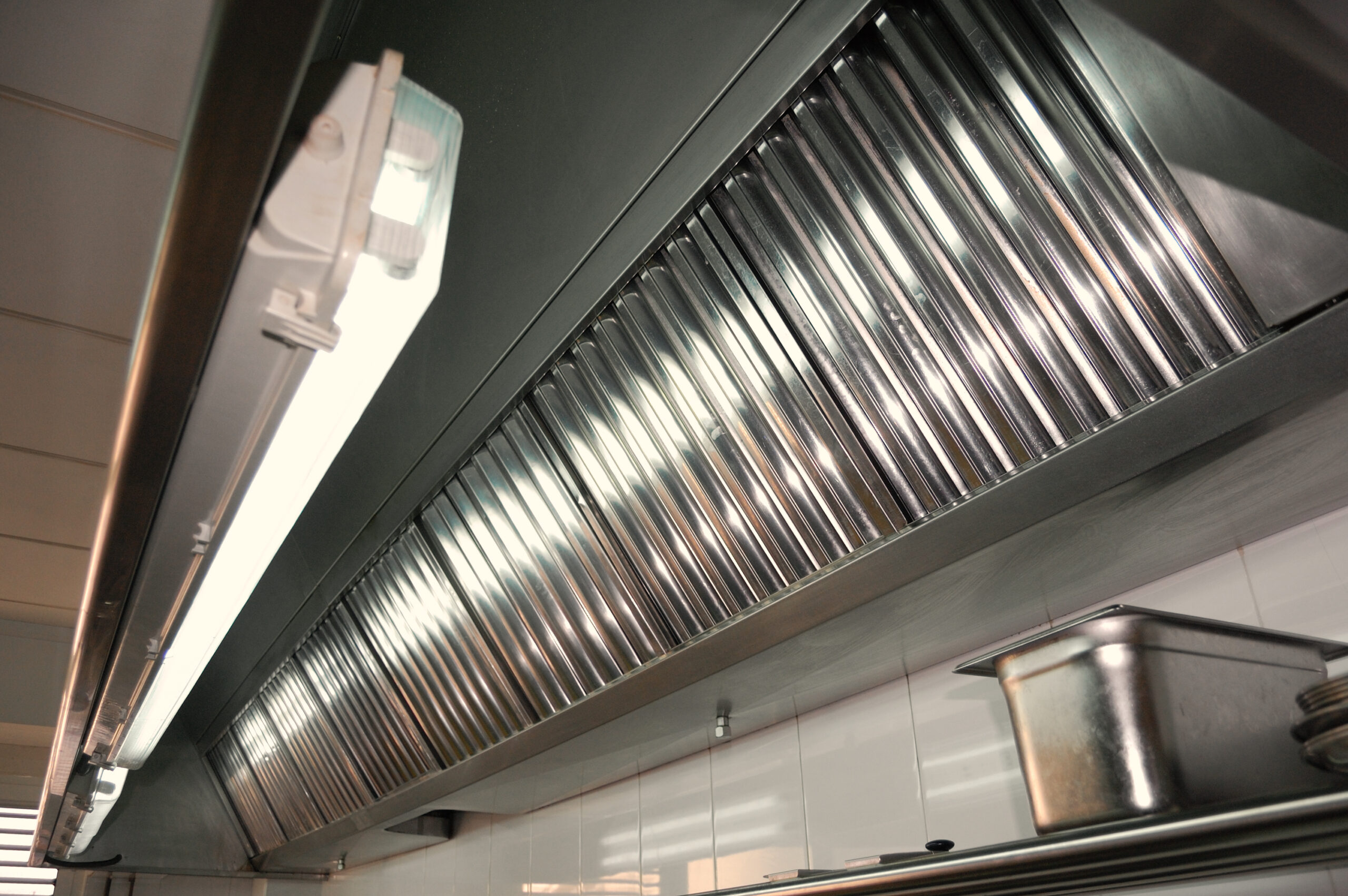
In a commercial kitchen, ensuring safety and efficiency relies not only on regular maintenance but also on properly trained employees. Employee safety training plays a crucial role in the overall maintenance of kitchen equipment, especially the hood system, which is essential for ventilation and fire prevention. A well-trained staff can contribute to a safer work environment, identify potential issues early, and help maintain the effectiveness of the kitchen’s ventilation system.
The Importance of Safety Training in Hood Maintenance
Proper training ensures that employees understand the risks associated with kitchen hood systems, including grease buildup and the potential for fire hazards. Staff should be trained to recognize when the hood system requires cleaning or maintenance and how to follow the correct safety protocols during these processes. This training helps prevent accidents and ensures that the hood system remains in optimal working condition.
When employees are knowledgeable about how the hood system functions and what signs to look for—such as reduced airflow, visible grease buildup, or strange odors—they can take prompt action to address issues before they escalate. This proactive approach can significantly reduce the risk of fire and equipment breakdowns, keeping the kitchen running smoothly.
Enhancing Compliance with Safety Regulations
Employee training also plays a key role in ensuring compliance with local fire and safety codes. OSHA and NFPA guidelines, which govern kitchen safety standards, require regular maintenance and inspections of hood systems to prevent fires and ensure clean air circulation. Employees who are trained in safety protocols and the proper care of ventilation systems help maintain compliance by performing routine checks and knowing when to call in professional services for deeper cleanings.
Regular training sessions that update staff on current safety guidelines and best practices also ensure that your kitchen is always prepared for inspections. Informed employees help reduce the chances of non-compliance, protecting your business from potential fines and penalties.
Reducing Downtime and Maintenance Costs
A trained staff can directly contribute to reducing downtime and lowering maintenance costs. Employees who know how to maintain basic aspects of the kitchen’s ventilation system, such as replacing filters or wiping down easily accessible parts of the hood, can extend the time between professional cleanings. This day-to-day upkeep helps prevent major grease buildup and ensures that the hood system operates efficiently.
Additionally, when staff is trained to handle minor issues, they can prevent small problems from escalating into costly repairs. Early detection and intervention save your business time and money, allowing you to focus on delivering quality service without the disruption of emergency maintenance needs.
The ability of staff to identify maintenance needs in real-time—such as noticing unusual noises or airflow changes—can be a huge advantage. This can prevent system failures that might otherwise halt kitchen operations for hours or even days, providing a proactive approach to maintenance.
Building a Safer Work Environment
A kitchen environment can be fast-paced and hectic, but with proper safety training, employees feel more confident in handling equipment and maintaining their workspace. Training fosters a culture of responsibility, where staff understand the importance of safety and how their actions impact the entire kitchen’s operations. This awareness reduces the likelihood of accidents, such as fires or slips caused by grease, and promotes overall workplace safety.
Moreover, when employees are well-trained, they are better equipped to respond to emergencies, such as grease fires, with confidence and precision. This preparedness not only protects the kitchen and its employees but also reduces the risk to customers and the business as a whole.
Regular safety drills and refreshers can empower employees to act swiftly and efficiently, minimizing damage and downtime in case of an emergency. This creates a robust safety culture, where prevention and preparedness are central to daily operations.
To schedule a professional hood cleaning or inspection and keep your kitchen compliant, CLICK HERE.
Frequently Asked Questions (FAQ)
Why is employee safety training important for hood maintenance?
Employee safety training helps staff understand how hood systems work, what warning signs to look for, and how to follow safe procedures. This reduces fire risk, improves ventilation efficiency, and supports consistent maintenance.
What should employees be trained to look for in a hood system?
Employees should know how to spot visible grease buildup, reduced airflow, strong odors, excessive smoke, and unusual fan noises. These signs often indicate the hood system needs cleaning or professional inspection.
Does staff training help with OSHA and NFPA compliance?
Yes. OSHA and NFPA guidelines emphasize workplace safety, fire prevention, and proper ventilation. Trained employees support compliance by performing routine checks, reporting issues early, and following proper safety protocols.
Can employees clean the hood system themselves?
Employees can handle basic daily maintenance like wiping exterior surfaces and checking filters. However, deep cleaning of ducts, fans, and internal components should always be handled by certified professionals.
How does safety training reduce downtime and repair costs?
When staff is trained to recognize problems early, small issues can be addressed before they turn into major failures. This helps prevent equipment breakdowns, emergency repairs, and unexpected kitchen shutdowns.
How often should kitchens train staff on hood and fire safety?
It’s best to provide training during onboarding, followed by regular refreshers throughout the year. Many kitchens also benefit from seasonal safety reviews or quarterly check-ins.
Recent Posts
Oct. 02, 2026
What Fire Inspectors Look for During a Commercial Kitchen Inspection

Sep. 25, 2026
Restaurant Fire Code Violations That Professional Hood Cleaning Helps Prevent

Sep. 18, 2026
Commercial Hood Cleaning Requirements for Food Trucks in Virginia

Sep. 11, 2026
How Often Should Restaurants in Fairfax County Schedule Hood Cleaning?

Sep. 04, 2026